
How to Automate Your Coworking Space in 2026
Running a coworking space in 2026 means juggling bookings, billing, member communications, access control, maintenance requests, and community events — often simultaneously. If you're still managing any of that manually, you're spending hours on tasks that a well-configured system could handle in seconds.
Automation isn't about replacing the human touch that makes your space special. It's about freeing you from repetitive admin work so you can focus on what actually grows your business: building community, improving member experience, and expanding your space. Platforms like Co-Desk — space management infrastructure built for independent operators — are designed around this exact principle: automate the operations layer so you can invest your time where it matters.
In this guide, we'll walk through the five areas of coworking operations where automation delivers the biggest impact, with practical advice you can start implementing this week.
Why Manual Operations Don't Scale
What works at 20 members breaks at 80.
At 20 members, you can manage bookings in a spreadsheet, send invoices manually, and hand out physical keys. At 80 members — across hot desks, dedicated desks, meeting rooms, and private offices — that same approach becomes a full-time job. Missed invoices, double-bookings, and access issues pile up. Your day gets consumed by admin instead of strategy.
The operators who scale successfully aren't the ones who hire more admin staff. They're the ones who automate predictable, repeatable work and redirect human effort toward member relationships and business development.
The Five Pillars of Coworking Automation
1. Booking and Availability Management
Manual booking management is one of the first things to break as a space grows. Double-bookings, outdated availability, and the constant back-and-forth of "is the big meeting room free on Thursday?" drain time from both operators and members.
A well-automated booking system means:
- Members book hot desks, meeting rooms, and private offices through a self-service portal — no emails, calls, or Slack messages required.
- Availability updates in real time across all channels, including visual floor plans showing exactly which desks and rooms are open.
- Recurring bookings are handled automatically — a member who books a dedicated desk Monday through Friday doesn't rebook each week.
- Cancellation policies and buffer times between bookings are enforced by the system, not by you remembering to block calendar slots.
The key insight: self-service booking doesn't reduce member satisfaction — it increases it. Members want to book a meeting room at 10 PM from their phone, not wait until your front desk opens at 9 AM.
2. Billing, Invoicing, and Payments
If you're generating invoices manually, chasing late payments by email, or reconciling transactions in a spreadsheet, billing automation should be your first priority. This is where manual processes cost the most — in time and in missed revenue.
The core of automated billing:
- Membership subscriptions bill automatically on a recurring cycle through a payment processor like Stripe.
- Meeting room and day pass charges are captured at the point of booking.
- Invoices are generated and delivered automatically — no manual creation, no forgotten invoices.
- Failed payments trigger automatic retry sequences and member notifications.
- Promo codes, deposits, and refunds are handled within the system, with a full audit trail.
For operators managing multiple pricing tiers — hot desk, dedicated desk, private office, and meeting room credits — automated billing also eliminates the calculation errors that creep in with manual invoicing.
3. Access Control and Security
Physical access is one of the most underrated areas for automation. Managing keys, fobs, or PIN codes manually — issuing them at check-in, deactivating them when members leave, dealing with lost keys — is unnecessary operational burden and a real security risk.
Smart access control in practice:
- Systems like Kisi or Salto integrate directly with your space management platform, so access is provisioned automatically when a member signs up and revoked when they leave.
- Access schedules match membership types: hot desk members get weekday access during business hours, dedicated desk members get 24/7 access, and meeting room bookings unlock the room for the reserved window.
- Visitor management becomes self-service — members generate temporary access codes for guests without involving you.
- Access logs provide a complete audit trail for security and compliance.
When your management platform and access control system talk to each other, there is no manual step between "member signs up" and "member walks through the door." Co-Desk's integration layer with Kisi and Salto is built specifically for this — auto-provisioning access based on membership status, booking times, and location permissions.
4. Member Communications and Onboarding
Every new member needs a welcome email. Every booking needs a confirmation. Every invoice needs a receipt. Every event needs an invitation. If you're writing these individually, you're spending hours on communication that should run on autopilot.
What a well-configured communications layer handles:
- New member onboarding flows trigger automatically: welcome email, Wi-Fi credentials, house rules, community introduction, floor plan guide — all sent without manual work.
- Booking confirmations and reminders go out automatically via email or push notification.
- Payment receipts are delivered instantly after every transaction.
- Event invitations and RSVP tracking are handled through your platform, not a separate tool.
- Custom triggers handle specific scenarios — a check-in email 30 days after signup, a notification when a private office is vacated, a renewal reminder before a plan expires.
The goal isn't to remove personal communication. It's to automate the transactional layer so you have more time for the personal kind. The automated welcome email handles logistics. Your in-person greeting on day one handles the human connection.
5. Analytics and Reporting
Data-driven decisions require data. But pulling numbers from spreadsheets, booking logs, and payment dashboards every week is slow and error-prone — and most operators skip it entirely.
This is where AI-powered analytics changes the picture:
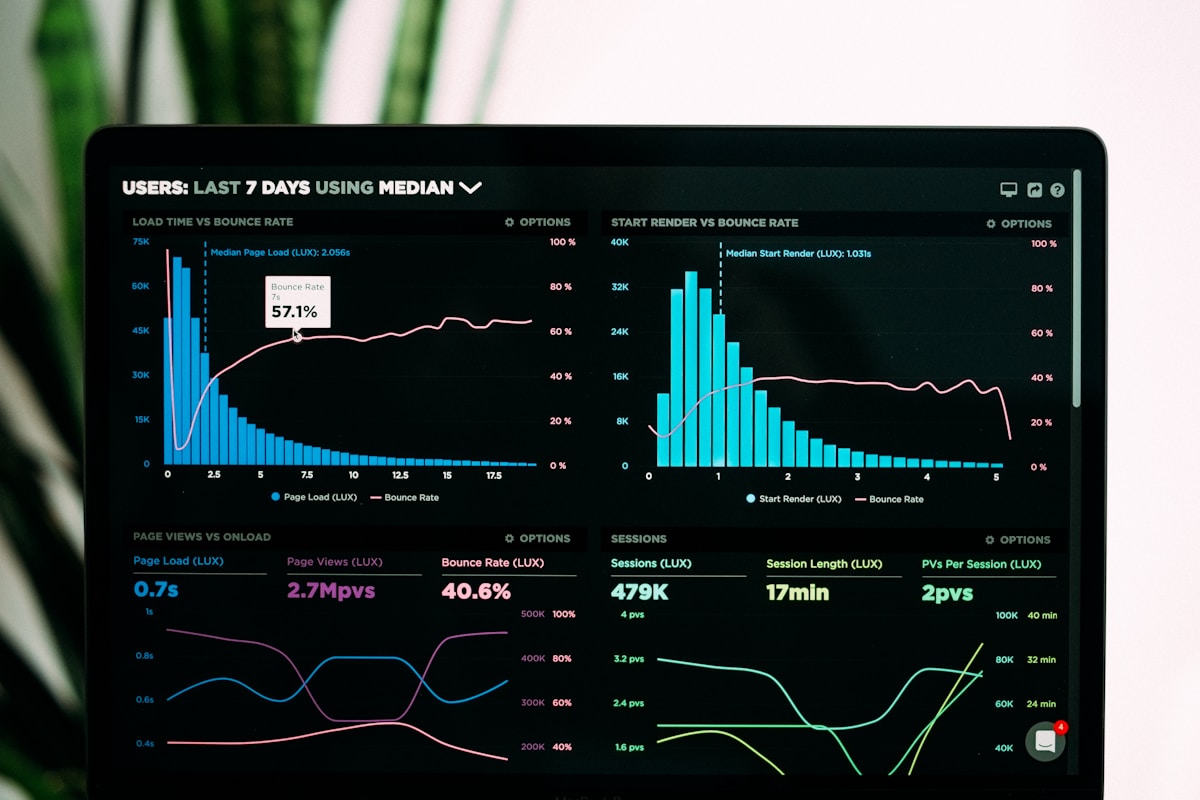
- Instead of building reports manually, you ask questions in plain English: "What was my occupancy rate last month?" or "Which meeting room generates the most revenue?" The system returns instant answers with visualizations.
- Anomaly detection flags unusual patterns — a sudden drop in bookings, a spike in cancellations, a meeting room that's consistently underbooked.
- Automated reports land in your inbox every Monday with occupancy summaries, revenue breakdowns, member growth, and booking patterns.
- Trend forecasting helps you plan capacity and pricing adjustments before problems develop.
This is the area where Co-Desk's AI analytics engine particularly stands out — operators can ask natural-language questions and get instant, visual answers without touching a spreadsheet or writing a query.
How to Build Your Automation Stack: A Practical Roadmap
You don't need to automate everything at once. Here's a phased approach that delivers quick wins while minimising disruption.
Phase 1 (Week 1–2): Billing and payments. Highest immediate ROI. Set up automated recurring billing, invoice generation, and payment failure handling. If you're already on Stripe, most space management platforms integrate directly.
Phase 2 (Week 3–4): Booking and availability. Deploy self-service booking with real-time availability. Start with meeting rooms — easiest to automate — then expand to hot desks and private offices.
Phase 3 (Month 2): Access control. If you don't have smart locks yet, this involves hardware investment. But the operational savings — no key management, no manual provisioning — typically pay for the hardware within a few months.
Phase 4 (Month 2–3): Communications. Set up automated onboarding sequences, booking confirmations, and payment receipts. Build your template library gradually rather than all at once.
Phase 5 (Ongoing): Analytics. Once operations flow through a unified platform, analytics become powerful. You can't analyse data you're not collecting — phases 1–4 lay that foundation.
What to Look for in a Coworking Automation Platform
Not all platforms are equal. When evaluating space management software, prioritise:
- All-in-one operations: booking, billing, member management, and communications in a single system — not five tools stitched together with Zapier.
- Native integrations: direct connections to your payment processor, access control hardware, accounting software (Xero, QuickBooks), and calendar apps (Google Calendar, Outlook).
- Self-service member portal: members should be able to book, pay, update their profile, and manage their own account without contacting you.
- API and webhook support: for custom integrations specific to your space.
- AI-powered analytics: natural-language queries, automated reporting, and smart insights — not just raw data exports.
- Setup speed: if a platform requires a six-week implementation and mandatory onboarding calls, it's built for enterprise chains. Look for platforms you can configure in hours, not weeks.
Practical Takeaways
- Audit your time. Track where you spend your hours this week. Any task you do more than three times that follows a predictable pattern is a candidate for automation.
- Start with billing. Automated invoicing and payment collection have the highest immediate ROI and the lowest risk.
- Embrace self-service. Members prefer booking and managing their own accounts digitally. Self-service isn't impersonal — it's convenient.
- Integrate access control. Smart locks connected to your management platform eliminate key management and improve security simultaneously.
- Let AI handle reporting. Stop building spreadsheet reports manually. Use a platform with AI analytics to ask questions and get answers instantly.
Frequently Asked Questions
What is coworking space automation? Coworking space automation is the use of software and integrated hardware to handle repetitive operational tasks — booking management, billing, access control, member communications, and reporting — without manual intervention. It allows operators to run more efficiently, reduce errors, and focus on community building rather than administrative work.
How much does it cost to automate a coworking space? Costs vary by scope. Software platforms typically range from $59 to $249 per month per location. Smart lock hardware such as Kisi or Salto involves upfront costs of $200–$500 per door plus monthly fees. Most operators recoup these costs within two to three months through time savings, reduced errors, and improved payment collection.
Can a small coworking space benefit from automation? Absolutely — small spaces often benefit the most. When the operator is wearing every hat (manager, receptionist, bookkeeper, event coordinator), automating bookings, billing, and communications frees up hours every week that can be redirected toward growth. Many platforms, including Co-Desk, offer plans specifically designed for single-location operators with under 50 desks.
What's the difference between a coworking management tool and space management infrastructure? A management tool typically handles one or two functions and requires other tools to fill the gaps. Space management infrastructure covers the full operational stack: bookings, billing, member management, access control, communications, analytics, and integrations. Infrastructure-level platforms may also offer a network layer that connects multiple locations with shared member identity and cross-location access.
How long does it take to set up coworking automation? Basic booking and billing can be live in under 30 minutes with modern platforms. Full automation — including access control integration, communication workflows, and analytics — typically takes one to three weeks depending on your space's complexity. The key is choosing a platform designed for fast deployment, not enterprise implementations that take months.
Related Reading
- Scale Your Coworking Space: The Founder's Guide to Smarter Management
- The Ultimate 2026 Coworking Tech Stack: Software, Hardware, and AI Trends
- Why Your Meeting Rooms Are Losing Money (And How to Fix It)
Ready to stop spending your week on admin?
Co-Desk is space management infrastructure that automates bookings, billing, access control, and analytics — so you can focus on building the space your members love. Set up in 30 minutes, no onboarding calls required.
Start your free 30-day trial →